


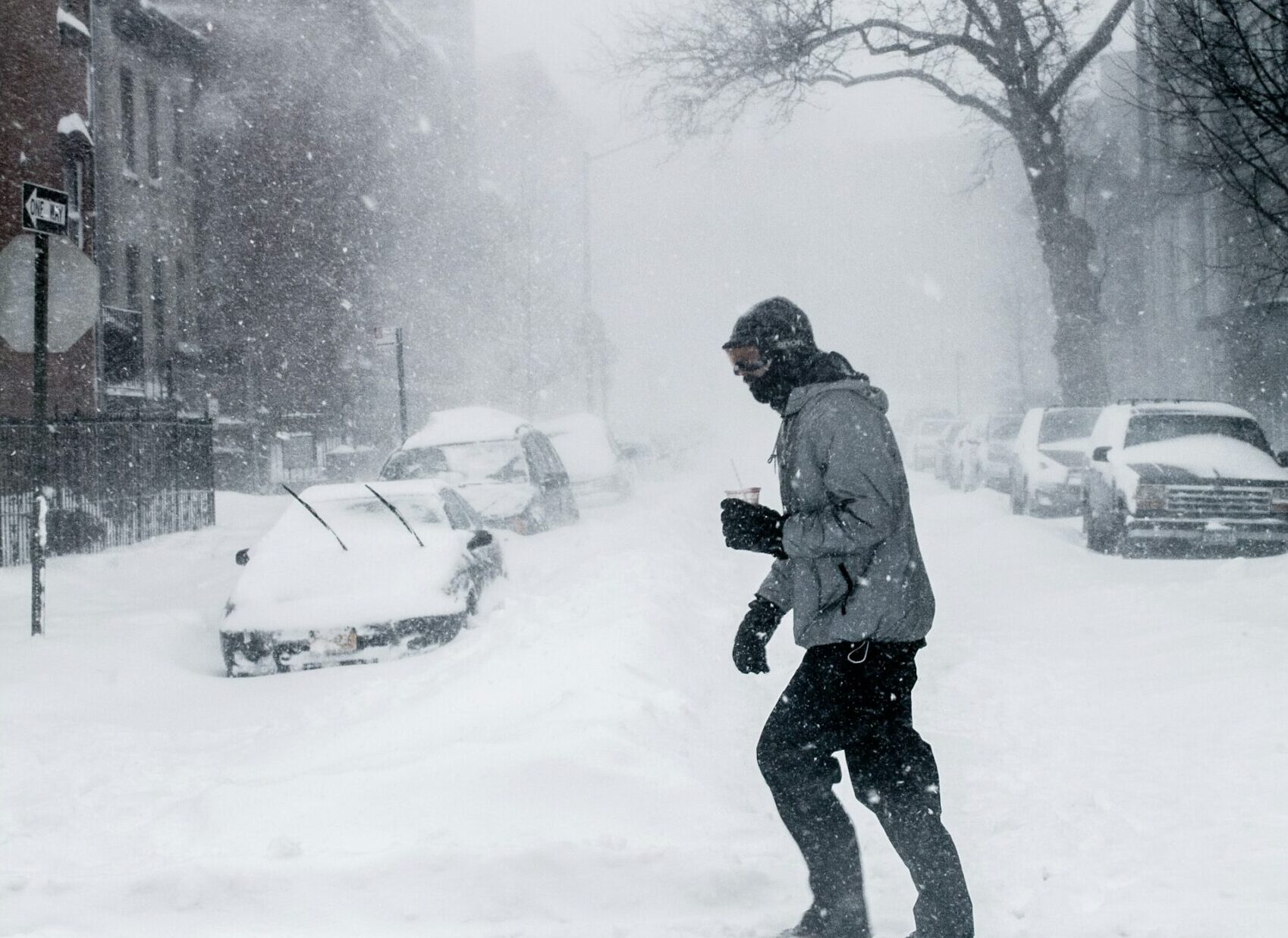
CitySignal reviewed Reddit discussions, complaint data, and local reporting to determine which neighborhoods consistently emerge as having the worst winter sidewalk conditions.
Worst-Ranked Neighborhoods Overall
Combining complaint data, reporting, and online sentiment, the neighborhoods most frequently associated with poor winter sidewalk conditions include:
-
Washington Heights / Inwood
-
Flatbush / East Flatbush
-
Sunset Park
-
Bushwick
-
Fordham / Kingsbridge
-
Jackson Heights side streets
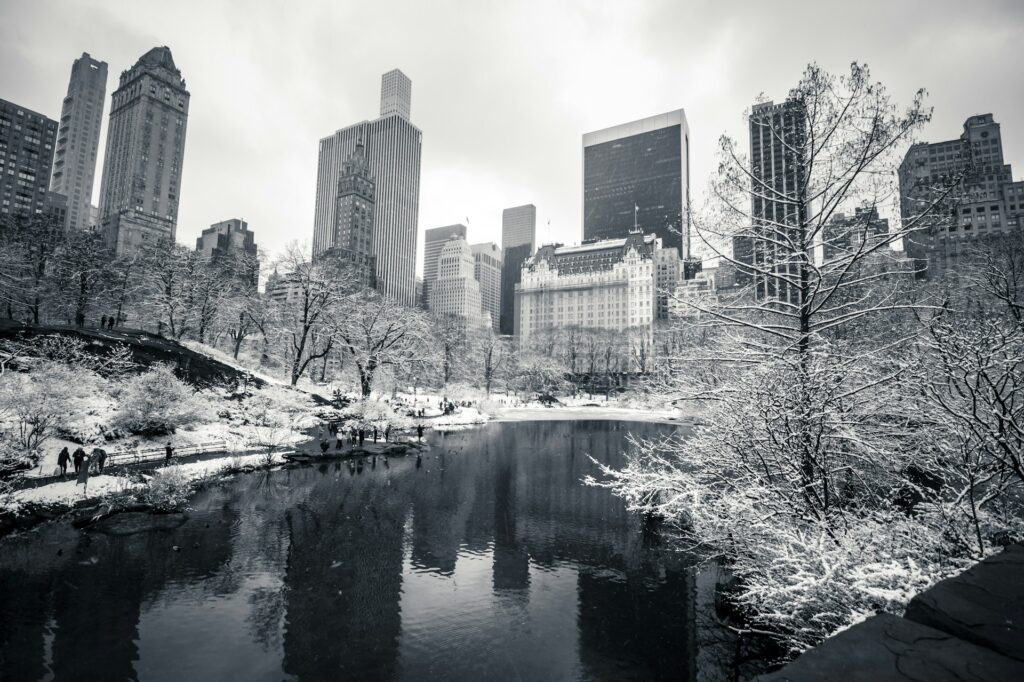
Upper Manhattan: A Frequent Sidewalk Snow Complaint Hotspot
Neighborhoods like Washington Heights, Inwood, and Harlem are frequently mentioned in winter complaint threads online, particularly after major storms.
Residents often point to:
-
Steep hills that cause melting and refreezing
-
Older buildings with inconsistent maintenance
-
Fewer commercial storefronts clearing sidewalks quickly
-
Heavy pedestrian traffic
-
Wide intersections that produce large sneckdowns
According to the NYPost, Washington Heights is among the areas with high complaint volumes after storms, especially when it comes to dog poop.
Brooklyn: The Borough With the Most Sidewalk Snow Complaints Overall
Many discussions point to Brooklyn as having the city’s most widespread sidewalk snow issues, especially in neighborhoods like:
-
Flatbush
-
Sunset Park
-
Bushwick
-
Crown Heights
In the past, Brooklyn consistently produced the highest number of icy sidewalk complaints citywide, according to housing data analyses.
Key reasons include:
-
Large residential housing stock (more property owners responsible for clearing)
-
Long residential blocks with fewer businesses
-
Enforcement inconsistencies
-
Dense population outside Manhattan’s high-priority zones
Reddit users frequently cite Brooklyn side streets as remaining icy for days after storms.
The Bronx: Likely Worse Than Reported
Parts of The Bronx — particularly neighborhoods like Fordham and Kingsbridge — often experience significant winter hazards, even though they appear less frequently in online discussions.
Factors contributing to problems include:
-
Aging infrastructure
-
Drainage and sidewalk quality issues
-
Steep terrain in some areas
-
Lower compliance due to economic constraints
Research on slip-and-fall incidents also highlights a higher risk in some Bronx neighborhoods. Urban planners note that Bronx streets often produce dramatic sneckdowns because roadways were designed decades ago for heavier car traffic.
Queens: Highly Variable Block-to-Block
Conditions in Queens vary significantly depending on the neighborhood and even the specific block.
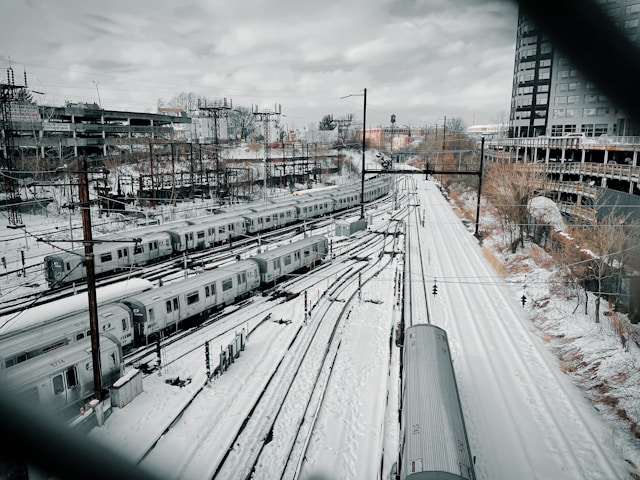
Areas like Jackson Heights, Elmhurst, and Flushing appear frequently in discussions.
Common pattern:
-
Commercial corridors cleared quickly
-
Residential side streets left icy for days
-
Mixed ownership structures complicating responsibility
Queens ranks second in total sidewalk complaints, though its large geographic size partly explains that ranking.
Manhattan Below 96th Street: Usually the Best Conditions
In Manhattan south of 96th Street, sidewalks are typically cleared faster.
Reasons include:
-
Dense retail frontage (businesses shovel quickly)
-
Professional property management
-
Higher enforcement visibility
-
Tourism and commuter priority
Still, problem spots exist near construction scaffolding, transit hubs, and crosswalk snow piles.
Where Sneckdowns Appear Most Often
“Sneckdowns” — where snow reveals unused road space — are especially common at wide intersections across the city.
These appear most often at:
-
Wide intersections in Upper Manhattan
-
Queens boulevards
-
Bronx arterials
-
Transit hubs and bus stops
-
Older car-oriented street designs
Urban designers often use sneckdowns to advocate for curb extensions, pedestrian safety improvements, and bike lanes.
The Socioeconomic Factor
One of the strongest patterns across data and online discussion is that snow removal quality correlates with neighborhood wealth.
Lower-income or outer-borough residential areas often experience:
-
Slower clearing times
-
More persistent ice
-
Larger sneckdowns
-
Greater pedestrian risk
These differences are typically tied to property owner resources and enforcement visibility rather than official city prioritization policies.